
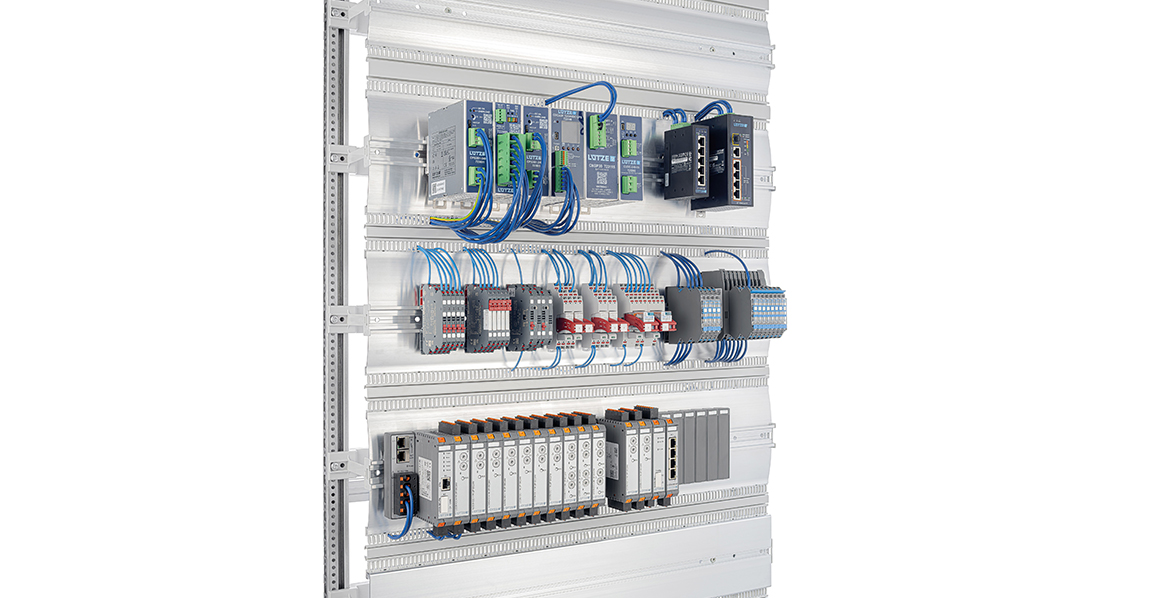
Demand-driven Control Cabinet Design Reimagined
The AirSTREAM control cabinet configurator from LÜTZE represents a practical approach to demand-driven planning of modern control cabinets. Guided configuration, consistent data processes, and the optional integration of thermal analysis enable a seamless process from project planning to subsequent operation. This system concept is complemented by an integrable IoT environment that makes operational data usable and thus creates additional transparency for design, energy efficiency, and long-term operational reliability.
With the AirSTREAM control cabinet configurator, LÜTZE considers it has taken a significant step forward in the digital planning of control cabinets. The web-based, intuitively operated, and free-to-use online tool is consistently geared towards the practical requirements of control cabinet construction and aims to support designers as well as users in production and project planning. The key factor here is not a single feature, but the interaction of continuous planning, consistent data use and practical design.
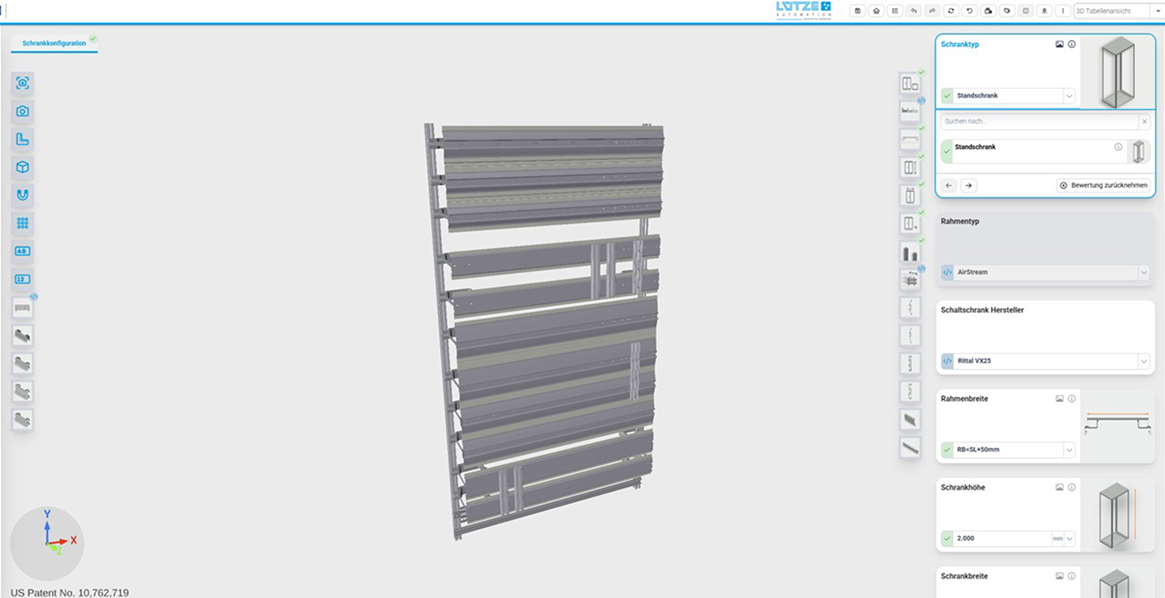
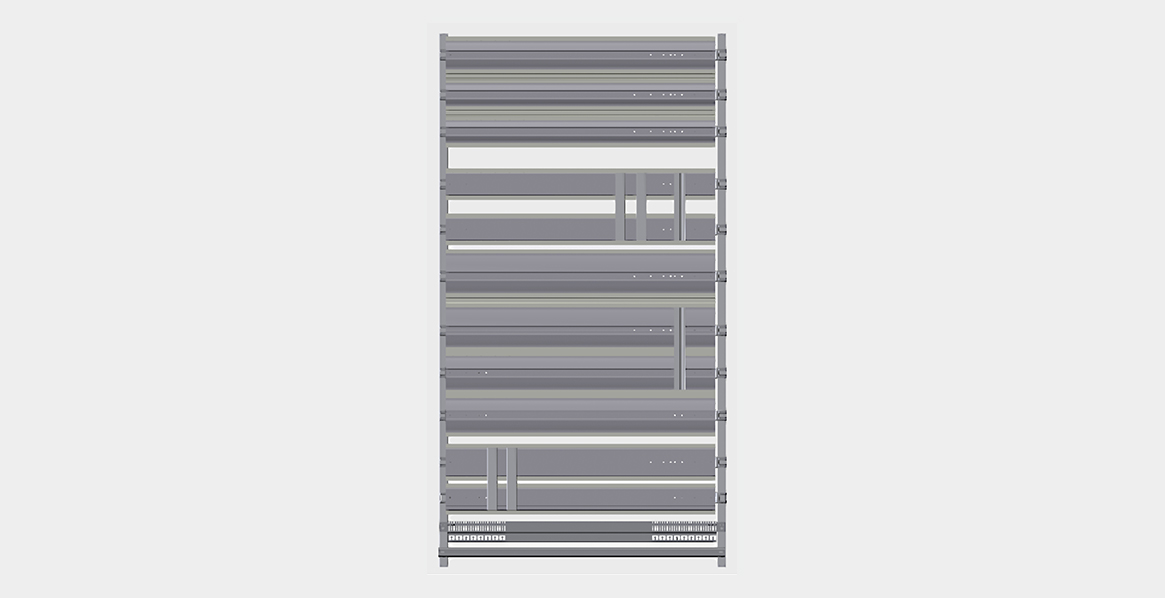
At the center is a guided configuration process that leads users in a structured way through all relevant planning steps. Starting with the selection of suitable control cabinet types, including most used models in the market, geometric parameters are defined and mounting rail systems are then dimensioned and positioned. Components can be arranged freely, heights can be varied flexibly, and functional additions such as EMC accessories or the AirBLOWER fan system can be integrated directly. Existing configurations can be reused across projects, which enables significant efficiency gains, particularly for serial machine production or modular systems.
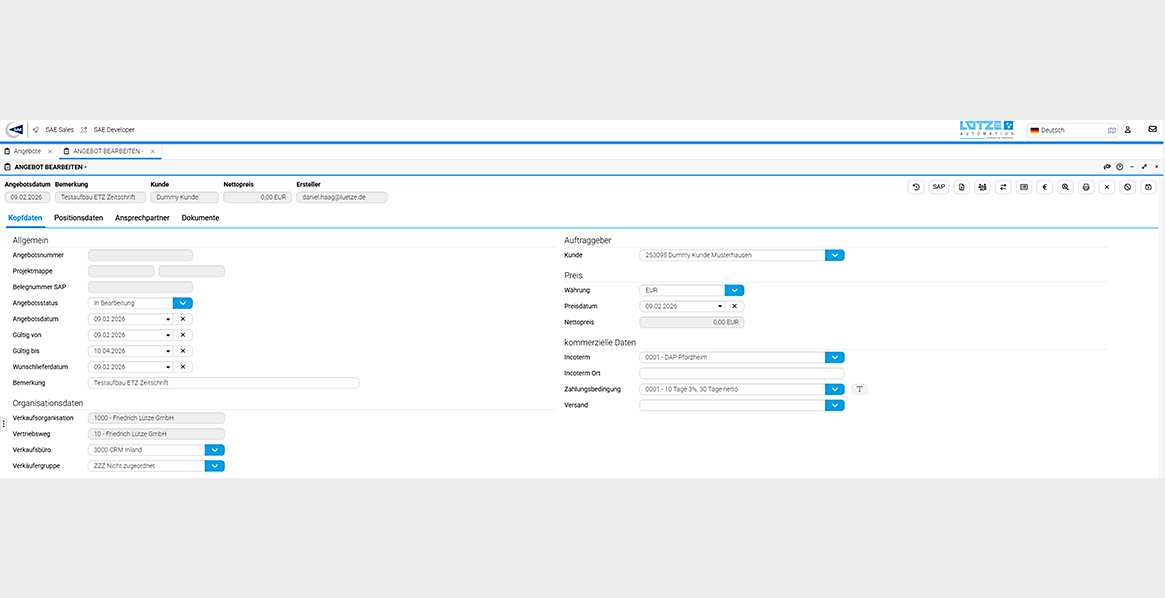
A significant added value arises from the close integration of the configurator with sales and production processes. Prices, individual terms and conditions, and ordering options are automatically taken into account, reducing media disruptions and minimizing manual coordination. At the same time, data residency remains clearly structured: production-relevant information is generated centrally in the ERP system, which also performs functions of a manufacturing execution system. Bills of materials, production orders, and other core data are generated and versioned there, while the configurator accesses them in read-only mode. This consistent system architecture prevents redundant data storage and ensures transparent, auditable processes throughout the entire process chain.
Once approved by the customer, the planning data can be transferred to production without any additional intermediate steps. If required, 3D models are available in STEP format, enabling mechanical integration and collision checks at an early stage. A future interface to EPLAN is also planned, which will enable even closer integration between mechanical and electrical planning. The aim is a continuous digital process chain without interfering with the individual design logic of users – an approach that offers advantages particularly in heterogeneous project environments. At the same time, one of the central challenges of the industry becomes apparent: differing data standards, planning guidelines, and system environments on the customer side continue to make fully disruption-free workflows difficult to achieve.
In addition to pure configuration, thermal design is increasingly coming into focus. With the planned integration of AirTEMP 2.0, LÜTZE is expanding the functional scope to include realistic temperature forecasts for control cabinets with the AirSTREAM wiring system. Designers record geometry, installation situation, and power losses of the components and derive temperature profiles from this data. The simultaneity factor is taken into account, as are normative requirements, such as automated design verification in accordance with DIN EN 61439, including determination of the control cabinet’s internal temperature. This makes it possible to dimension cooling concepts according to demand, identify energy-saving potential and ensure long-term operational reliability.
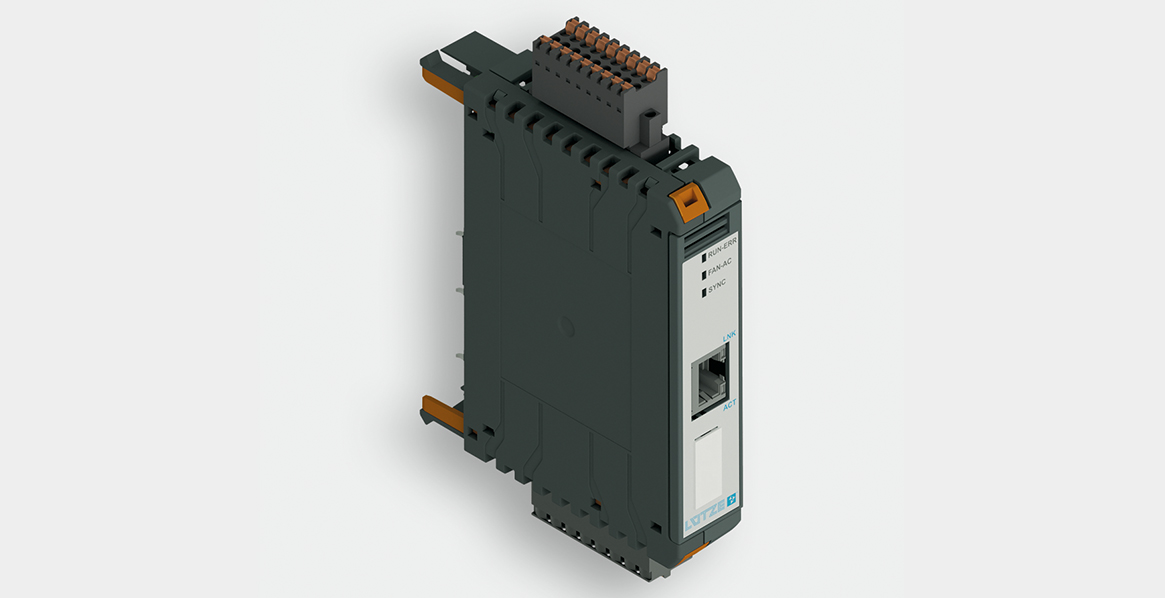
This approach is complemented by the IoT-enabled AirTEMP Controller, which records real operating data and can control cooling units in a targeted manner. Communication takes place via established, encrypted protocols such as MQTT with TLS security or OPC UA, whose security mechanisms are already an integral part of the architecture. This ensures flexible integration into different IT infrastructures without shifting the focus away from the actual benefits in control cabinet construction. Temperature and operating data can be evaluated locally, integrated into customer-owned cloud environments or transferred to a cloud provided by LÜTZE. Particularly valuable here is the comparison between calculated target temperatures and actual measured temperatures: it provides reliable indications for the correct dimensioning of cooling technology and opens up additional perspectives for energy efficiency analyses as well as condition-based maintenance strategies.
In practical control cabinet construction especially, it becomes clear that digital tools are most beneficial when they support existing ways of working rather than replacing them. The AirSTREAM configurator follows exactly this approach. The software maps familiar planning steps but reduces manual routine tasks while simultaneously increasing transparency and planning reliability. For users this means shorter project lead times, less coordination effort and better traceability of technical decisions – factors that are becoming increasingly important in the highly competitive machinery and plant engineering sector.
In addition, there is a systemic concept that goes beyond individual products. The combination of mechanical design, thermal analysis, digital data management and optional IoT connectivity, creates an integrated ecosystem around the control cabinet. This ecosystem remains open enough to accommodate different customer requirements while at the same time providing clearly structured processes. This is precisely where a possible key to future efficiency gains lies: fewer isolated solutions and more consistent interconnections along the value chain.
The AirSTREAM control cabinet configurator therefore represents an example of a development that is increasingly shaping control cabinet construction. Digital planning, consistent data models, and practical simulations are merging and creating new possibilities – not as an end in themselves, but as a tool for more reliable, more energy-efficient, and more economical solutions. In this environment, LÜTZE positions itself with an approach that deliberately combines technological integration with practical applicability. For designers and control cabinet builders, this opens up the prospect to further simplify planning processes, identify risks at an early stage and implement projects in a more robust way overall.
A look into the future also shows the potential of further digitalization in control cabinet planning. With the increasing use of AI-supported methods, planning processes could become significantly more automated in the future – for example, when modernizing existing systems, deriving variant designs, or implementing modifications under time pressure. Systems are conceivable that recognize existing installations based on photos or 3D scans, identify components and independently generate suitable installation concepts including matching mounting frames. Building on this, placement, wiring routing and thermal design could not only be calculated statically but also dynamically optimized by incorporating real operating and load data. Simulation and reality would move closer together: temperature profiles, power losses, or simultaneities could be continuously tracked and fed back into planning. This opens up the prospect of a learning system for control cabinet construction that derives insights from existing projects and increasingly supports future designs in a predictive way – a development path that consistently takes the digital approaches already visible today to the next level.
Author:
Daniel Haag, Global Product Manager Inside Cabinet, Friedrich Lütze GmbH